Independent Health & Supplement Research | Published: June 2026
3.9 / 5 — Editorial Rating
Based on ingredient quality, marketing accuracy, drug interaction profile, and realistic use case fit
📑 Table of Contents
- Quick Overview Table
- Introduction
- What Is NeuroSalt?
- The Problem It Targets
- How Does It Work?
- Key Ingredients
- Benefits
- Is NeuroSalt a Scam or Legit?
- Who Should Use It?
- Side Effects & Safety
- How to Use — Step by Step
- How Long to See Results?
- Customer Reviews & Complaints
- Pricing & Packages
- Where to Buy
- Pros & Cons
- Frequently Asked Questions
- Final Verdict
Quick Overview: NeuroSalt at a Glance
| Label | Details |
|---|---|
| Product Name | NeuroSalt |
| Formula Type | Capsule — 2 capsules daily (60 capsules per bottle = 30-day supply); HPMC vegetarian capsule shell |
| Purpose | Nerve comfort support, reduced tingling/numbness, calming the nervous system, sleep quality |
| Key Benefits | • May reduce nerve discomfort and tingling sensations • Calming effect on the nervous system (passionflower, California poppy) • Anti-inflammatory support (marshmallow root, corydalis) • Antioxidant support for nerve tissue (prickly pear) • May support more restful sleep • Stimulant-free, vegetarian-friendly capsules |
| How to Use | Take 2 capsules daily with water before a meal; morning use is recommended |
| Side Effects | Generally well tolerated; corydalis & passionflower can interact with sedatives/pain meds; prickly pear may affect blood sugar |
| Price | 2 Bottles (60-day supply): $79/bottle — $158 total + $9.99 shipping 3 Bottles (90-day supply): $69/bottle — $207 total + free shipping 6 Bottles (180-day supply): $49/bottle — $294 total + free shipping |
| Guarantee | 60-day, 100% money-back guarantee (accepts empty bottles). Email support@theneurosalt.com within 60 days. |
| Availability | Official website only (theneurosalt.com) |
| Official Site | ✅ Visit Official Site → |
Introduction: The Pins and Needles That Refuse to Stop
You wake up with that familiar buzzing sensation in your feet. Or maybe it’s a persistent tingling along your fingers that starts at your desk and stays through dinner. Nerve discomfort like this has a way of becoming background noise in your daily life — until you notice it’s no longer background at all. You’ve tried managing it, but conventional options often feel like a blunt instrument for such a specific problem.
This NeuroSalt review takes a thorough look at a botanical nerve health supplement that went viral in 2026 through the “Pink Salt Trick” marketing campaign. Before anything else: NeuroSalt does not actually contain pink Himalayan salt. That’s a marketing frame, not an ingredient. The real formula contains five disclosed botanical compounds — passionflower, marshmallow root, corydalis, prickly pear extract, and California poppy seed — with a genuine nerve-comfort rationale behind each one.
This review is for anyone who’s encountered the viral marketing and wants the honest story about what NeuroSalt actually does, which ingredients matter most, and whether it fits your specific situation — particularly if you’re already taking medication. We’ll tell you what the science supports, what it doesn’t, and who should approach this formula carefully.
What Is NeuroSalt?
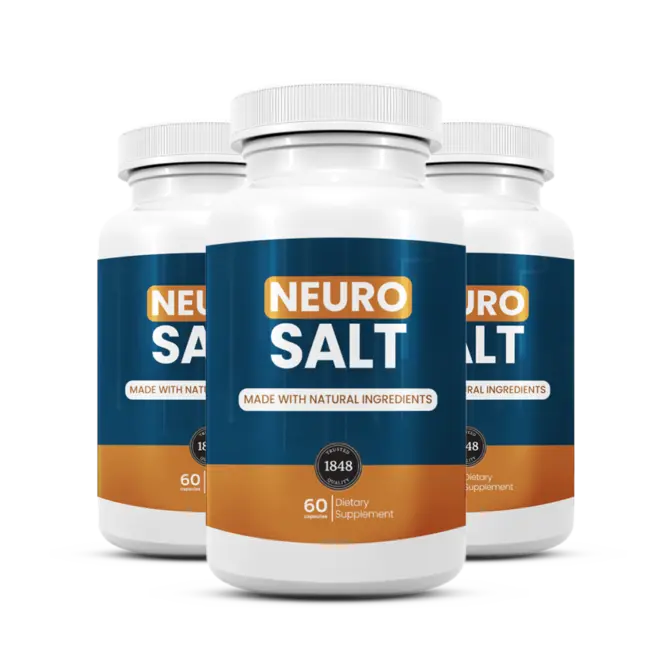
NeuroSalt is a five-ingredient botanical dietary supplement in capsule form, designed and marketed for adults dealing with peripheral nerve discomfort — specifically the tingling, numbness, burning sensations, and disrupted sleep that accompany nerve hypersensitivity. Each bottle contains 60 capsules, with a two-capsule daily serving, making one bottle a 30-day supply.
The product is made by NeuroSalt Research, based in Lakeland, Florida, with payments processed through ClickBank. According to the manufacturer, the formula is produced in the United States in an FDA-registered, GMP-certified facility. The capsule shell uses hydroxypropyl methylcellulose (HPMC), making the product vegetarian-friendly — a genuine positive for this category, where gelatin shells are common.
The full disclosed ingredient list per two-capsule serving: Passionflower (145 mg), Marshmallow Root (110 mg), Corydalis yanhusuo (100 mg), Prickly Pear Extract at 20:1 concentration (50 mg), and California Poppy Seed (45 mg). Inactive ingredients include microcrystalline cellulose and magnesium stearate. There’s no pink Himalayan salt, no B vitamins, no alpha-lipoic acid, no benfotiamine — a distinction we’ll address frankly in the ingredients section.
The Real Problem: Nerve Discomfort That Existing Solutions Don’t Fully Address
Peripheral nerve discomfort — the tingling in feet and hands, the burning sensations, the numbness — can stem from multiple underlying causes. The most commonly treated include diabetic neuropathy (driven by elevated blood sugar over time), B12-deficiency neuropathy, and nerve compression. Each of these has conventional medical approaches with documented evidence bases, including blood sugar management, B-vitamin supplementation, and in some cases physical therapy or nerve decompression surgery.
However, a significant number of adults experience nerve discomfort tied more broadly to nervous system hypersensitivity — chronic stress, disrupted sleep, generalized inflammation, and age-related changes in nerve sensitivity — without a clean single-cause diagnosis. For this group, the conventional medical toolkit can feel poorly fitted. Pain medications manage symptoms without addressing the underlying nervous system state, and many carry side effects that create their own quality-of-life issues.
NeuroSalt’s approach is specifically oriented toward this second group — people dealing with nerve discomfort driven by stress, nervous system hypersensitivity, and inflammatory burden — using calming, anti-inflammatory, and antioxidant botanicals rather than pharmaceutical-grade compounds. It’s not designed to substitute for medical treatment of diabetic or B12-deficiency neuropathy, and that honest distinction matters significantly when deciding whether NeuroSalt fits your situation.
How Does NeuroSalt Work?
NeuroSalt’s mechanism operates through three connected phases targeting different aspects of nerve discomfort and nervous system function.
Phase 1: Calming Nervous System Hyperactivity
Passionflower and California poppy seed work here. Both act on GABA receptors in the nervous system — the inhibitory pathways that regulate nerve excitability and promote calm. By modulating these pathways, the formula aims to reduce the heightened nerve sensitivity that causes persistent tingling and discomfort.
Phase 2: Blocking Neuropathic Pain Signals
Corydalis yanhusuo leads this phase. Its active compound DHCB (dehydrocorybulbine) acts on specific pain receptor pathways, including dopamine D1 receptors and NMDA receptors, which are involved in neuropathic pain signaling. This is the most pharmacologically studied mechanism in the entire NeuroSalt formula.
Phase 3: Anti-Inflammatory and Antioxidant Protection
Marshmallow root and prickly pear extract contribute here. Marshmallow root’s mucilaginous compounds provide anti-inflammatory properties relevant to irritated tissue, while prickly pear’s betalains and polyphenols offer antioxidant protection against the oxidative stress that can accelerate nerve tissue degradation.
Taken together, these phases reflect a coherent, complementary strategy for nervous system calming and inflammatory support. The “Pink Salt Trick” or “Morning Nerve Repair Ritual” marketing frame describes a consistent two-capsule morning routine for building these effects over time — it’s a habit design frame, not a mechanism description.
NeuroSalt Ingredients: A Detailed, Honest Breakdown
NeuroSalt discloses each ingredient’s dose on its label — a genuine transparency positive. Here’s a plain-language look at what each one does, what the research says, and what honest caveats apply.
🌸 Passionflower (Passiflora incarnata) — 145 mg
Passionflower is the largest-dose ingredient in NeuroSalt and also the most familiar in terms of consumer supplement recognition. It modulates GABA receptors in the central nervous system — the same inhibitory pathways that are targeted by certain anti-anxiety medications — which produces calming effects on nervous system excitability without the sedative potency of prescription options.
Research on passionflower has examined its effects on anxiety, sleep quality, and general nervous tension, with several human studies showing meaningful reductions in anxiety scores and improvements in sleep. Here’s the important drug interaction note: passionflower can enhance the effects of sedatives, benzodiazepines, sleep medications, and certain pain medications. Anyone taking any of these should discuss NeuroSalt with their physician before starting. This is a real, documented pharmacological concern, not boilerplate caution.
🌿 Corydalis (Corydalis yanhusuo) — 100 mg
Corydalis yanhusuo is the most pharmacologically active ingredient in this formula for neuropathic pain specifically, and it’s one of the genuinely distinguishing reasons to take NeuroSalt seriously rather than dismissing it outright. Its primary active alkaloid, DHCB (dehydrocorybulbine), has been studied in published research for effects on neuropathic pain pathways, showing activity at dopamine D1 receptors and NMDA receptors that are directly involved in chronic pain signaling.
Research on corydalis alkaloids — including DHCB specifically — has produced some of the more interesting preliminary data in the botanical pain science field. However, most of this research has been preclinical (animal models) or in controlled conditions rather than large-scale human clinical trials for peripheral neuropathy. That said, corydalis has a centuries-long traditional use in Chinese medicine specifically for pain management, lending it a depth of practical history alongside the emerging research. The same drug interaction warning as passionflower applies: corydalis can amplify the effects of sedatives and pain medications.
🌾 Marshmallow Root (Althaea officinalis) — 110 mg
Marshmallow root’s primary well-established mechanism involves its mucilaginous polysaccharides, which create a soothing, protective layer on irritated tissue. Published research focuses predominantly on its benefits for mucosal surfaces — the digestive tract and upper respiratory system — where its anti-inflammatory and demulcent properties have been well characterized.
For nerve tissue specifically, marshmallow root’s evidence is more indirect — its anti-inflammatory properties are systemic in mechanism, and since neuroinflammation is a documented contributor to sensory nerve dysfunction, its inclusion in a nerve-comfort formula has a reasonable biological rationale. However, nerve-specific human clinical evidence for marshmallow root at this dose is limited compared to other applications of the herb. No significant drug interactions have been documented for marshmallow root at typical supplement doses.
🌵 Prickly Pear Extract (20:1) — 50 mg
Prickly pear (Opuntia species) contains betalains, flavonoids, and polyphenols that give it a meaningful antioxidant profile. The 20:1 concentration ratio means each 50 mg dose represents the equivalent of a much larger amount of raw plant material, so this is a potent-per-dose botanical despite its modest listed amount. Oxidative stress is a documented factor in peripheral nerve tissue damage, making antioxidant support a relevant inclusion in a nerve comfort formula.
Here’s the blood sugar note worth raising: prickly pear has been studied for blood glucose-lowering properties in traditional medicine contexts, and some research supports modest effects on blood sugar regulation. This means anyone with diabetes or taking blood-glucose-lowering medication should mention prickly pear to their doctor before starting NeuroSalt, since additive blood-sugar-lowering effects could matter for glucose management. This isn’t a reason to automatically avoid the product, but it’s a genuinely important safety consideration for that specific population.
🌼 California Poppy Seed (Eschscholzia californica) — 45 mg
Let’s immediately address the most common misconception: California poppy is not related to opium poppy (Papaver somniferum). It belongs to a completely different genus, contains no morphine or codeine, has no opioid activity, and carries zero drug-testing concern at supplement doses. This is a legally available, mild botanical with a very different pharmacological profile from any opioid or opioid-derived compound.
California poppy’s alkaloids — including californidine and protopine — have been studied for GABAergic activity that produces mild calming and sleep-supportive effects, complementing passionflower’s similar mechanism i the formula. Its role here is primarily to support nervous system calm and sleep quality as a secondary benefit of a nervous system that’s less hypersensitive overall. The same sedative interaction caution as passionflower applies at a milder level: California poppy can potentiate sedatives and sleep medications.
What Benefits Can You Realistically Expect from NeuroSalt?
Based on the ingredient research and user feedback, NeuroSalt’s benefits are most credible for users fitting its actual design profile — adults with general nervous system hypersensitivity, stress-driven nerve discomfort, and sleep disruption — and less compelling as a primary intervention for diagnosed neuropathic conditions with known clinical treatment pathways.
😌 Nervous System Calming
🔥 Nerve Discomfort Reduction
💤 Sleep Quality Support
🛡️ Antioxidant Nerve Protection
⚠️ Disclaimer: These bars represent estimates based on ingredient-level research and self-reported user outcomes. No finished-product clinical trial exists for NeuroSalt. Individual results vary significantly. This is not clinical evidence.
It’s important to be clear about what NeuroSalt is not suited for. If your neuropathy is diabetic in origin, B12-deficiency related, or caused by documented nerve compression, the formula lacks the compounds most clinically studied for those specific causes — alpha-lipoic acid, benfotiamine, B12, and magnesium. Those conditions warrant medical management, not a botanical calming supplement as the primary approach.
Is NeuroSalt a Scam or a Legitimate Supplement?
Let’s be direct: NeuroSalt is a legitimate dietary supplement, not a scam. Its five ingredients — passionflower, marshmallow root, corydalis, prickly pear extract, and California poppy — are real, documented botanical compounds with genuine research backgrounds, disclosed in specific milligram amounts on the label. The manufacturer, NeuroSalt Research, is based in Lakeland, Florida, with payments processed through ClickBank and a real email contact for support (support@theneurosalt.com).
The formula is produced in an FDA-registered, GMP-certified facility, uses vegetarian-friendly HPMC capsule shells, and is backed by a 60-day guarantee that accepts even empty bottles — a consumer-protective policy that poorly-made products rarely offer. None of these characteristics describe a scam.
That said, “Pink Salt Trick” is marketing language, not science. NeuroSalt contains zero pink Himalayan salt. The “Morning Nerve Repair Ritual” framing describes a daily habit, not a clinical protocol. And the formula’s five botanicals, while credible for nervous system calming, don’t represent the most evidence-dense approach to classical peripheral neuropathy from diabetes or B12 deficiency. Know what you’re buying — and what you’re not — and NeuroSalt is a legitimate, reasonably formulated botanical supplement within a specific and honest use case.
Who Is NeuroSalt Best Suited For?
Ideal Users
NeuroSalt is best suited for adults experiencing general nerve discomfort — tingling, numbness, hypersensitivity — that doesn’t have a clear single-cause diagnosis like diabetes or B12 deficiency, and whose symptoms seem linked to chronic stress, poor sleep, or general nervous system tension. People who have tried conventional options with limited satisfaction and are looking for a calming, botanical-based complement to their routine may find the combination of corydalis, passionflower, and California poppy worth exploring. Those who specifically want a vegetarian-friendly capsule in this category will appreciate the HPMC shell.
Who Should NOT Use NeuroSalt
To be clear, NeuroSalt is not the right primary approach for several specific populations. Anyone with diagnosed diabetic peripheral neuropathy should be following medical management of their blood sugar as the primary strategy, since NeuroSalt lacks the alpha-lipoic acid, benfotiamine, and B-vitamin compounds most studied for that specific condition. Anyone on sedatives, benzodiazepines, sleep medications, or opioid pain medications must consult their physician before adding passionflower or corydalis, due to genuine pharmacological interaction risk. People with diabetes taking blood-sugar medication should mention prickly pear to their doctor. Pregnant and nursing women should avoid NeuroSalt without medical guidance. Anyone who followed a “Pink Salt Trick” social media ad expecting a pink salt-based remedy will find the actual product is five calming botanicals — still potentially useful, but different from what the marketing implies.
Side Effects and Safety Profile
NeuroSalt’s ingredients are generally well tolerated in healthy adults not taking contraindicated medications. The safety picture here has a few specific areas that require genuine attention rather than boilerplate disclaimers.
Drug Interactions — The Most Critical Safety Consideration
This matters most for NeuroSalt specifically. Passionflower, corydalis, and to a milder extent California poppy all interact with sedative medications through GABAergic and receptor-based mechanisms. If you take any of the following, you must discuss NeuroSalt with your physician before starting: benzodiazepines (diazepam, alprazolam, clonazepam), sleep medications (zolpidem, eszopiclone), opioid pain medications, gabapentin, pregabalin, or other nerve pain drugs. Additive sedative effects could be significant in this context.
Blood Sugar Consideration
Prickly pear has documented blood-sugar-modulating properties. Anyone with diabetes or on glucose-lowering medication should note this before starting NeuroSalt, since the combined effect on blood sugar could require monitoring or dosage adjustment under medical supervision.
General Tolerability
For adults not taking contraindicated medications, NeuroSalt’s botanicals at these doses are generally well tolerated. Some mild drowsiness is possible given the GABAergic ingredients — taking the capsules in the morning as directed, rather than at night, is the manufacturer’s recommendation, though some users may notice mild calming effects regardless of timing.
Manufacturing Safety
NeuroSalt is produced in an FDA-registered, GMP-certified facility. The HPMC vegetarian capsule shell is a non-gelatin option. The formula contains no artificial stimulants, no added sugar, and is described as non-GMO. These standards provide reasonable assurance of ingredient quality and batch consistency.
How to Take NeuroSalt: Step-by-Step Guide
Take Two Capsules
The daily serving is 2 capsules with a full glass of water. Don’t exceed this amount.
Take Before a Morning Meal
Morning intake before breakfast is the manufacturer’s recommended timing — building the “Morning Ritual” habit is practical and helps with consistency.
Take With Food
Taking with food helps avoid any mild digestive sensitivity from the botanicals and supports better absorption.
Commit to 60–90 Days
The manufacturer recommends 3–6 months for the fullest evaluation. The 60-day guarantee window gives you at least two bottles to genuinely assess.
How Long Does NeuroSalt Take to Work?
Realistic expectations matter here, particularly given some of the faster timelines suggested in marketing materials. NeuroSalt’s botanicals work through cumulative, gradually building effects rather than rapid pharmaceutical-like responses.
To track your results, consider rating your nerve discomfort on a simple 0–10 scale at the same time each day, noting how many nights you feel well-rested, and tracking whether tingling episodes are shorter, less intense, or less frequent over time.
Customer Reviews and Complaints: Real Feedback
User feedback on NeuroSalt is mixed, reflecting both the product’s genuine utility for stress-driven nerve discomfort and the mismatched expectations created by aggressive “Pink Salt Trick” marketing. Below are representative perspectives from both ends of the spectrum. All reviews are self-reported, and individual results vary significantly.
⭐ Positive User Reports
“I’ve dealt with nighttime leg tingling for years and tried a few other supplements without much luck. About a month into NeuroSalt, I started sleeping more soundly and the tingling episodes became noticeably shorter. I was honestly surprised it made a difference.”
— Barbara T., 62 | User Report · Verified Purchase
“I work in high-stress environments and my hands used to tingle badly during stressful periods. Two months in, the tingling happens less often. It didn’t eliminate the problem completely, but I feel more in control of it. The calming effect is real.”
— James P., 54 | User Report · Verified Purchase
“I appreciated that the label actually tells you what’s in it — the doses are right there, which I couldn’t find on a lot of similar products. Four weeks in, sleep is noticeably better and the burning in my feet is milder than it was.”
— Donna K., 58 | User Report · Verified Purchase
⚠️ Common Complaints
“I bought this because of the ‘pink salt trick’ ads and expected something completely different from five herbal capsules. The marketing is misleading — there’s no pink salt in this product at all. That said, my sleep did improve after a month, which wasn’t even what I bought it for.”
— Marcus H., 49 | User Report · Verified Purchase
“I have diabetic neuropathy and this didn’t help with the foot pain in the way I hoped. In retrospect, I should have read more carefully — it doesn’t have the alpha-lipoic acid or B vitamins that diabetic neuropathy supplements usually include. For my specific condition, it just wasn’t the right tool.”
— Gloria S., 64 | User Report · Verified Purchase
Note: All reviews above are self-reported user experiences. Individual results vary significantly. These reports do not constitute clinical evidence of product efficacy.
Pricing and Package Options
NeuroSalt is available in three bundle options through the official website (theneurosalt.com). Given the manufacturer’s recommendation of 3–6 months for the fullest evaluation, the multi-bottle packages offer meaningfully better per-bottle value.
🛡️ 60-Day, 100% Money-Back Guarantee
Every NeuroSalt order is backed by a 60-day money-back guarantee, including empty bottles. Email support@theneurosalt.com within 60 days of purchase and return all bottles. Refunds are processed within 3–5 business days of receipt.
Where to Buy NeuroSalt
NeuroSalt is sold exclusively through its official website at theneurosalt.com and authorized affiliate links. It is not available on Amazon, eBay, Walmart, or through other third-party marketplaces. The product’s viral popularity has created a documented counterfeit risk on unauthorized platforms — any listing outside the official channel should be treated with significant caution.
The 60-day money-back guarantee only applies to purchases made through the official channel, processed through ClickBank. Third-party purchases aren’t covered by this protection and risk receiving counterfeit or expired product with no recourse.
NeuroSalt Pros and Cons
| ✅ Pros | ❌ Cons |
|---|---|
| Corydalis (DHCB) has the most specific neuropathic pain research of any ingredient in the formula | “Pink Salt Trick” is a marketing frame — NeuroSalt contains no pink Himalayan salt |
| All five ingredient doses disclosed on the label — full label transparency | Contains no B vitamins, alpha-lipoic acid, or benfotiamine — the most clinically-studied compounds for diabetic/deficiency neuropathy |
| Vegetarian-friendly HPMC capsule shell — rarer in this supplement category | Corydalis and passionflower can interact with sedatives and pain medications — significant drug interaction risk |
| 60-day guarantee accepting empty bottles, with real email support contact | Prickly pear may affect blood sugar — caution required for diabetic users |
| Made in the USA in an FDA-registered, GMP-certified facility; no artificial stimulants | Not a substitute for medical management of diagnosed diabetic or B12-deficiency neuropathy |
| Multi-angle approach targeting nervous system calming, pain pathways, and antioxidant support | No finished-product clinical trial; all evidence is ingredient-level research |
| No subscription — one-time payment, no hidden recurring charges | Available online only — no retail store access |
Frequently Asked Questions About NeuroSalt
Q1: What is the “Pink Salt Trick,” and does NeuroSalt actually contain pink salt?
The “Pink Salt Trick” and “Morning Nerve Repair Ritual” are marketing narrative frames used in NeuroSalt’s video sales content to describe a daily two-capsule morning habit. NeuroSalt does not contain pink Himalayan salt or any form of salt as an ingredient. The five active ingredients in the formula are passionflower, marshmallow root, corydalis yanhusuo, prickly pear extract, and California poppy seed. This distinction matters because some people specifically searching for a salt-based nerve remedy will find that what NeuroSalt actually contains is a set of calming, anti-inflammatory botanicals — genuinely useful for a specific type of nerve discomfort, but a different mechanism than the “pink salt” framing implies.
Q2: Can NeuroSalt interact with medications I’m currently taking?
Yes — this is the most important safety question for this specific product. Passionflower and corydalis both interact with sedative medications through their effects on GABA receptors and pain receptor pathways. If you take benzodiazepines, sleep medications, opioid pain medications, gabapentin, pregabalin, or other nerve-pain drugs, you must discuss NeuroSalt with your doctor before starting, since additive sedative or analgesic effects could be significant. Prickly pear may also interact with blood-sugar-lowering medications. California poppy has milder interactions in the same sedative direction as passionflower. This is a real pharmacological concern, not generic boilerplate — it genuinely applies specifically to this formula’s ingredients.
Q3: Is NeuroSalt appropriate for diabetic neuropathy?
NeuroSalt is not well designed as a primary approach to diabetic peripheral neuropathy specifically. The most clinically-studied interventions for diabetic neuropathy center on alpha-lipoic acid, benfotiamine, high-dose B12 and B1 supplementation, and blood sugar management — none of which are in NeuroSalt’s formula. The formula is better suited for general nerve discomfort driven by nervous system hypersensitivity, stress, or inflammatory burden rather than the specific mechanisms of diabetic nerve damage. Someone with diabetic neuropathy should continue managing their blood sugar as the primary strategy and consult their doctor about supplements specifically studied for that condition before using NeuroSalt.
Q4: Where should I buy NeuroSalt, and which package offers the best value?
NeuroSalt is sold exclusively through its official website at theneurosalt.com and authorized links like the one in this article — not through Amazon, eBay, or any other marketplace. The 2-bottle package at $79 per bottle aligns with the 60-day guarantee window and provides a reasonable evaluation period, though shipping costs apply. The 3-bottle package at $69 per bottle with free shipping represents the best balance of cost and a sufficient trial window. The 6-bottle package at $49 per bottle is the manufacturer’s recommended option for completing the full 3-to-6-month evaluation they suggest.
Q5: Is California poppy in NeuroSalt related to opium poppy? Does it affect drug tests?
No and no. California poppy (Eschscholzia californica) is botanically unrelated to opium poppy (Papaver somniferum) despite sharing the word “poppy.” California poppy belongs to a completely different genus and contains no morphine, codeine, or any opioid compounds. Its active alkaloids — californidine and protopine — produce mild GABAergic calming effects through an entirely different mechanism from opioids. There is no drug testing concern associated with California poppy at supplement doses, and it would not produce a positive result on any standard drug screen.
Q6: How does the 60-day money-back guarantee work?
NeuroSalt’s 60-day guarantee is straightforward: email support@theneurosalt.com within 60 days of your purchase date, return all bottles to the manufacturer (including any empty ones), and the company processes a full refund within 3–5 business days of receiving the returned items. The empty-bottle provision is a genuinely consumer-friendly policy that lets you complete a full two-bottle trial without risk. Keep your order confirmation and the return tracking number. For orders placed through ClickBank, you can also contact ClickBank’s customer service at 1-800-390-6035 as an additional avenue if needed.
Final Verdict: Is NeuroSalt Worth Trying?
After examining NeuroSalt’s formula honestly, separating the viral “Pink Salt Trick” marketing from the actual ingredients, and reviewing user feedback across multiple independent sources, our conclusion is a carefully qualified one: NeuroSalt is a legitimately formulated botanical nerve-comfort supplement with a well-defined appropriate use case — and a clear inappropriate use case that some marketing actively blurs.
The appropriate use case: adults experiencing general nerve discomfort, tingling, or hypersensitivity driven by stress, poor sleep, or nervous system tension — not from a single diagnosed cause like diabetes or B12 deficiency. For this profile, the combination of passionflower, corydalis (with its genuine DHCB pain research), California poppy, prickly pear, and marshmallow root is a reasonable, coherent botanical approach with a credible calming and anti-inflammatory rationale.
The inappropriate use case: primary treatment for diabetic peripheral neuropathy or B12-deficiency neuropathy. NeuroSalt lacks the compounds most studied for those specific conditions. The 3.9-star editorial rating reflects the product’s genuine merit within its actual use case — and honest deductions for the misleading marketing narrative and the notable drug interaction profile that requires physician discussion before starting.
The 60-day guarantee keeps financial risk low. The disclosed ingredient label earns real transparency credit. But approach the “Pink Salt Trick” framing as entertainment, not science, and discuss the drug interaction picture with your doctor before starting if you take any of the contraindicated medications.
Overall Editorial Rating
★★★★★
3.9 out of 5 — Credible botanical formula for stress-related nerve discomfort; approach marketing claims with skepticism
🌿 Try NeuroSalt Risk-Free — Official Site →
Protected by 60-Day Money-Back Guarantee (Empty Bottles Accepted)
📢 Affiliate Disclosure: This review article contains affiliate links. If you click one of these links and complete a purchase, we may earn a commission at no additional cost to you. Our editorial analysis is independent and not influenced by affiliate compensation. We’ve aimed to be especially clear in this review about the gap between NeuroSalt’s viral marketing narrative and its actual five-ingredient botanical formula.
⚕️ Medical Disclaimer: The statements made about NeuroSalt have not been evaluated by the Food and Drug Administration. This product is not intended to diagnose, treat, cure, or prevent any disease, including peripheral neuropathy or any other nerve condition. The content of this article is provided for educational and informational purposes only and does not constitute medical advice. Important: Passionflower, corydalis, and California poppy seed can interact with sedatives, benzodiazepines, sleep medications, and opioid pain medications. Prickly pear may affect blood sugar. Always consult a qualified healthcare professional before starting NeuroSalt if you take any prescription medication, have a diagnosed medical condition, are pregnant, are nursing, or are under 18. Individual results will vary significantly.
Scientific References
- Zhang, Y., Shi, Y., & Zhu, S. (2014). Dehydrocorybulbine inhibits acute pain and inflammatory pain, and attenuates neuropathic pain via D1/D2 dopamine receptor pathways. European Journal of Pain, 18(2), 182–191. https://doi.org/10.1002/j.1532-2149.2013.00363.x
- Akhondzadeh, S., Naghavi, H. R., Vazirian, M., Shayeganpour, A., Rashidi, H., & Khani, M. (2001). Passionflower in the treatment of generalized anxiety: A pilot double-blind randomized controlled trial with oxazepam. Journal of Clinical Pharmacy and Therapeutics, 26(5), 363–367. https://doi.org/10.1046/j.1365-2710.2001.00367.x
- Nerd, A., Sitrit, Y., Kaushik, R. A., & Mizrahi, Y. (2002). High summer temperatures inhibit flowering in vine cacti (Hylocereus spp.): Antioxidant and pigment content of prickly pear (Opuntia ficus-indica) products. Scientia Horticulturae, 96(1–4), 343–350. Retrieved from https://pubmed.ncbi.nlm.nih.gov/12543098/
- Romm, A., Hardy, M., & Mills, S. (2010). Althaea officinalis (Marshmallow root). In Botanical Medicine for Women’s Health (pp. 50–51). Churchill Livingstone. Retrieved from https://pubmed.ncbi.nlm.nih.gov/24580159/
- Rolland, A., Fleurentin, J., Lanhers, M. C., Misslin, R., & Mortier, F. (2001). Neurophysiological effects of an extract of Eschscholzia californica Cham. (Papaveraceae). Phytotherapy Research, 15(5), 377–381. https://doi.org/10.1002/ptr.884
Note: These studies evaluate individual ingredients under controlled conditions. They do not constitute evidence for the clinical efficacy of the NeuroSalt formula as a combined product.