4.2 / 5 — Editorial Score
| Label | Value |
|---|---|
| Product Name | KeraBiotics |
| Formula Type | Topical liquid serum (dropper bottle, 15ml) |
| Purpose | Combat toenail fungus and restore healthy nail microbiome |
| Key Benefits |
|
| How to Use | Apply topically twice daily using the included brush applicator |
| Side Effects | Generally mild; possible skin sensitivity in first few days |
| Price | 1 Bottle: $69 (+ shipping) 3 Bottles: $177 ($59/bottle + free shipping) 6 Bottles: $294 ($49/bottle + free shipping) |
| Guarantee | 60-Day Money-Back Guarantee |
| Availability | Official website only |
| Official Site | ✅ Visit Official Site → |
Table of Contents
- Introduction
- What Is KeraBiotics?
- The Problem It Targets
- How Does It Work?
- Key Ingredients
- Benefits
- Is KeraBiotics a Scam or Legit?
- Who Should Use It?
- Side Effects & Safety
- How to Use — Step by Step
- How Long to See Results?
- Customer Reviews & Complaints
- Pricing & Packages
- Where to Buy
- Pros & Cons
- Frequently Asked Questions
- Final Verdict
Introduction: The Quiet Struggle With Toenail Fungus
You avoid sandals in the summer. You’re careful around swimming pools. You hope nobody notices. Toenail fungus is one of those deeply uncomfortable conditions that affects far more people than ever admit it — and the standard treatments, ranging from harsh antifungal creams to prescription medications, often feel like trading one problem for another.
KeraBiotics is a topical probiotic serum that takes a fundamentally different approach to this stubborn problem. Rather than attacking fungus with aggressive chemicals, it works by restoring the natural microbial balance of the nail environment — essentially building a healthy defensive ecosystem around the nail itself. This KeraBiotics review takes a thorough, honest look at whether that approach actually holds up.
This review is written for anyone dealing with toenail discoloration, brittleness, or persistent fungal infections who wants to understand exactly what KeraBiotics is, what’s inside it, and whether it’s worth your money. We’ve researched the ingredients, studied the science, and gathered user feedback so you can make an informed decision without the guesswork.
What Is KeraBiotics?
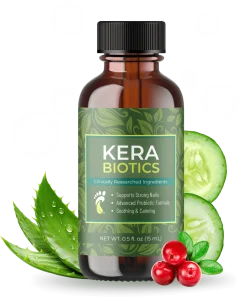
KeraBiotics is a topical nail care serum formulated to combat toenail fungus and promote healthier nail growth through a combination of probiotics, herbal extracts, and skin-conditioning agents. It comes in a 15ml dropper bottle with a built-in brush applicator, making it easy to apply precisely to affected nails and the surrounding skin.
The formula was inspired by traditional plant-based wellness rituals, with the manufacturer drawing on the story of an Amazonian barefoot tribe that reportedly maintained clear, healthy nails despite constant exposure to jungle terrain. Whether or not that origin story is entirely literal, the underlying concept — using beneficial bacteria to protect nail health naturally — is grounded in legitimate microbiome science.
KeraBiotics is manufactured in an FDA-registered, GMP-compliant facility in the United States. The formula is free from GMOs, stimulants, and harsh synthetic chemicals, making it suitable for daily use across all skin types. Importantly, this is a topical product rather than an oral supplement — you apply it directly to your nails and the skin around them twice per day.
Each bottle provides approximately one month of use at the recommended twice-daily application frequency. The 60-day money-back guarantee gives new users a reasonable window to assess whether the product works for their specific situation.
The Root Cause: Why Toenail Fungus Keeps Coming Back
Toenail fungus — medically known as onychomycosis — affects an estimated 10% of the global population. It starts quietly: a small yellow or white spot under the nail edge. Over time, it spreads inward, causing thickening, brittleness, discoloration, and in severe cases, real pain. The frustrating part isn’t just how it looks — it’s how persistently it returns even after treatment.
Here’s why conventional treatments often fall short. Most antifungal creams and polishes attack the surface fungus without addressing the underlying imbalance that allowed it to take hold in the first place. The nail microbiome — the community of bacteria and microorganisms that naturally protect your nails — gets disrupted by factors like moisture, closed footwear, compromised immunity, and age. When beneficial bacteria are depleted, harmful fungi find an open door.
KeraBiotics approaches this differently. Instead of purely fighting fungus with antifungal agents, it focuses on replenishing the protective layer of beneficial microorganisms around the nail. The idea is that a healthy, balanced nail microbiome is itself the best defense against recurring fungal infections — a logic similar to the role of gut probiotics in digestive health.
How Does KeraBiotics Work?
KeraBiotics works through two simultaneous mechanisms. First, it delivers live probiotic strains directly to the nail surface and surrounding skin. These beneficial bacteria compete with harmful fungi for resources and space, effectively crowding out the pathogens that cause infections. Research on strains like Lactobacillus rhamnosus has shown they can inhibit the growth of Candida species — the most common cause of nail fungal infections.
Second, the herbal and botanical ingredients in the formula address the physical condition of the nail and surrounding tissue. Aloe vera hydrates and soothes. Glycerin prevents the cracking and peeling that gives fungus an entry point. Cucumber extract supports detoxification and hydration. Copper gluconate contributes to structural nail integrity. Together, these create an environment that’s both protected by beneficial bacteria and physically resilient enough to resist future infections.
The dropper brush format matters here. Applying the serum directly with a brush ensures the formula reaches under the nail edge and into the grooves where fungus typically takes hold. That precision delivery makes KeraBiotics more targeted than general foot creams or soaks. Consistent twice-daily application is key — the probiotic strains need regular reinforcement to establish a lasting protective balance.
Key Ingredients in KeraBiotics
The KeraBiotics formula combines four probiotic strains with a selection of botanical extracts and conditioning agents. Here’s what each one does and why it earns its place in the formula.
Probiotic Quartet (Lactobacillus & Bifidobacterium Strains)
KeraBiotics includes four probiotic strains: Lactobacillus rhamnosus, Lactobacillus acidophilus, Lactobacillus paracasei, and Bifidobacterium lactis. Each strain plays a distinct role in balancing the nail’s microbial environment. Lactobacillus rhamnosus, perhaps the most researched of the group, has demonstrated the ability to inhibit Candida fungal growth in laboratory settings — making it directly relevant to toenail fungal infections.
Together, these strains work to reestablish a healthy community of beneficial bacteria around the nail and skin surface. When that community is strong, harmful fungi struggle to colonize. Bifidobacterium lactis contributes to immune support at the skin level, while Lactobacillus acidophilus produces natural antimicrobial substances that help suppress pathogenic organisms. It’s a microbiome-first approach that reflects some genuinely forward-thinking science in dermatology and nail care.
Aloe Barbadensis (Aloe Vera) Leaf Juice
Aloe vera is perhaps the most immediately recognizable ingredient in KeraBiotics, and it earns its place through multiple mechanisms. Its gel contains acemannan, a polysaccharide compound with demonstrated antifungal and antibacterial activity. A study published in the Oman Medical Journal found that aloe vera leaf extracts showed meaningful effectiveness against pathogenic fungal strains — supporting its inclusion in an antifungal formula.
Beyond its antifungal properties, aloe vera provides deep hydration and soothing relief to skin that’s been irritated or damaged by fungal activity. Dry, cracked skin around the nail creates the perfect entry point for new infections. Aloe’s moisturizing action helps seal and protect that skin, reducing vulnerability. For people who deal with redness and discomfort around infected nails, aloe’s anti-inflammatory properties also offer practical daily comfort during the healing process.
Glycerin
Glycerin serves two roles in KeraBiotics. First, it acts as a humectant — drawing moisture from the environment into the skin and nail tissue. This keeps the nail bed hydrated and supple, which directly reduces the cracking and peeling that fungal infections exploit. Second, glycerin acts as a stabilizer in the formula, helping bind the probiotic strains and botanical extracts together so they adhere effectively to the nail surface during application.
In practice, glycerin is what gives KeraBiotics its smooth, non-greasy texture and makes it comfortable for daily use. Unlike heavier oil-based formulas that can feel sticky or occlude the nail, glycerin-based serums absorb relatively quickly while maintaining protective moisture. For users who’ve struggled with antifungal treatments that leave a thick, uncomfortable residue, this makes KeraBiotics significantly more practical for consistent twice-daily application.
Cucumis Sativus (Cucumber) Extract
Cucumber extract brings several meaningful benefits to the KeraBiotics formula. It’s rich in vitamins C and K, silica, and antioxidants — all of which contribute to nail strength and skin health. Silica in particular supports the structural integrity of keratin, the protein that makes up your nails. Stronger nails are naturally more resistant to fungal penetration and less prone to the brittleness that often accompanies infections.
Furthermore, cucumber extract has mild detoxifying and anti-inflammatory properties that complement aloe vera’s soothing action. Together, they address both the active infection site and the damaged tissue around it. Cucumber’s high water content also reinforces the formula’s hydration benefits, helping maintain a moist but not overly wet nail environment — since both extreme dryness and excessive moisture can worsen fungal conditions.
Copper Gluconate
Copper gluconate is the mineral component in KeraBiotics, and it’s more important than its supporting role might suggest. Copper is a well-established antimicrobial mineral — hospitals use copper-based surfaces specifically because of its ability to kill bacteria and inhibit fungal growth on contact. Applied topically in the form of copper gluconate, it contributes active antifungal protection while also supporting the formation of healthy nail tissue.
At the structural level, copper is essential for cross-linking collagen and keratin fibers — the proteins that give nails their hardness and resilience. This means copper gluconate doesn’t just fight existing fungus; it actively helps rebuild the nail structure that fungal infections degrade over time. The combination of antimicrobial action and structural repair makes copper gluconate one of the most functionally rich ingredients in the entire formula.
Chrysin
Chrysin is a natural flavonoid derived from passionflower and certain plants, and it’s one of the more scientifically interesting additions to KeraBiotics. It carries significant antioxidant properties, which means it helps neutralize the free radicals that contribute to oxidative stress at the nail and skin level. This matters because fungal infections create a local inflammatory and oxidative environment that slows healing and weakens nail tissue further.
In addition to antioxidant activity, chrysin has shown anti-inflammatory effects in research settings, which may help reduce the redness, swelling, and tenderness that often accompany active toenail fungal infections. It’s not a front-line antifungal agent in the way copper gluconate is, but it supports the healing process by creating a less hostile environment for tissue repair. Think of it as the formula’s recovery ingredient — quieting down the immune overreaction while other compounds address the root cause.
Benefits of Using KeraBiotics Regularly
Based on the ingredient profile and available research on each component, KeraBiotics may offer the following benefits with consistent twice-daily use. Here’s a realistic picture of the strength of evidence behind each claim.
⚠️ Disclaimer: These ratings reflect ingredient-level research evidence, not guaranteed personal outcomes. Individual results vary. KeraBiotics is a cosmetic supplement and has not been evaluated by the FDA to treat or cure any disease.
Is KeraBiotics a Scam or Is It Legit?
Let’s get straight to the point: based on our analysis, KeraBiotics is a legitimate product with a credible formulation. The probiotic approach to nail health isn’t pseudoscience — the role of the skin microbiome in protecting against infections is an active and growing area of dermatology research. The specific strains used in KeraBiotics, particularly Lactobacillus rhamnosus, have documented antifungal activity in peer-reviewed studies.
Furthermore, manufacturing in an FDA-registered, GMP-certified US facility provides meaningful production oversight. The 60-day money-back guarantee is another signal of consumer confidence — brands with truly ineffective products tend to make refunds as difficult as possible. KeraBiotics does neither.
That said, honesty demands a few important caveats. KeraBiotics isn’t an FDA-approved antifungal medication. Severe toenail fungal infections — particularly those causing nail separation or significant structural damage — may require a prescription treatment alongside or instead of this serum. For mild to moderate cases and as a preventative measure, KeraBiotics occupies a legitimate and evidence-adjacent position in the market.
⚡ Quick Verdict
✅ Probiotic strains with published antifungal research
✅ FDA-registered, GMP-certified US manufacturing
✅ 60-day money-back guarantee
✅ Non-GMO, no stimulants, safe for all skin types
⚠️ Not an FDA-approved antifungal drug
⚠️ Results require consistent twice-daily use over weeks
⚠️ Severe infections may need prescription treatment
Who Should Use KeraBiotics?
KeraBiotics is well-suited for adults dealing with mild to moderate toenail fungal infections who prefer a natural, chemical-free approach. It’s also a strong choice for people who’ve tried standard antifungal treatments and found them irritating, ineffective, or prone to causing recurrence. Because the formula works by restoring microbiome balance rather than aggressively killing all microorganisms, it’s gentler and less likely to disturb the surrounding healthy skin and nail tissue.
People with diabetes or compromised circulation — groups particularly vulnerable to nail fungal infections and slow healing — should consider KeraBiotics as a supportive daily care tool. Similarly, athletes, swimmers, and anyone who spends a lot of time in moist environments may find it useful as a preventative serum, applied after exposure to reduce the risk of new infections taking hold.
Who Should NOT Use KeraBiotics
Anyone with a known allergy to any of the listed ingredients should avoid KeraBiotics. If you have an active open wound or skin condition around the nail, applying any topical product without medical guidance isn’t advisable. Severe nail fungal infections — those with significant nail separation, intense pain, or spreading skin involvement — require a dermatologist’s assessment rather than a serum alone. Children should only use it under parental supervision. If you’re pregnant or breastfeeding, check with your healthcare provider before starting any new topical product.
Side Effects & Safety of KeraBiotics
KeraBiotics is generally well-tolerated by most users. The formula avoids harsh chemical antifungals like undecylenic acid or tea tree oil at high concentrations, which are common irritants in competing nail products. Most people can apply KeraBiotics twice daily without experiencing significant discomfort.
However, some individuals with sensitive skin may notice mild tingling or slight redness in the first few days of use as the skin adjusts to new topical ingredients. This typically resolves within a week. Aloe vera and cucumber extract help buffer any early sensitivity, but if irritation persists beyond 10 days, discontinuing use and consulting a dermatologist is the right call.
Interactions and Precautions
Since KeraBiotics is a topical product, systemic drug interactions are unlikely. However, if you apply other medicated nail products — particularly prescription antifungal lacquers or azole-based treatments — you should space out applications and ideally consult your doctor about whether combining treatments is appropriate. Using multiple topical products in the same area can sometimes interfere with absorption or cause unexpected skin reactions.
The GMP-certified manufacturing and non-GMO certification provide a baseline of quality assurance. The absence of stimulants, parabens, and harsh synthetic preservatives (aside from a small amount of potassium sorbate as a stability agent) makes KeraBiotics a relatively clean formulation by industry standards.
Get KeraBiotics From the Official Source
60-Day Money-Back Guarantee · Free Shipping on 3+ Bottles
How to Use KeraBiotics — Step by Step
Clean and Dry Your Nails
Before each application, wash your feet thoroughly and dry them completely — especially around and under the nails. Applying the serum to wet skin reduces absorption and effectiveness.
Apply With the Brush Applicator
Use the built-in brush to apply the serum directly to each affected nail and the skin immediately surrounding it. Brush under the nail edge where possible, as that’s where fungus typically hides.
Apply Twice Daily
Use KeraBiotics morning and evening for best results. The probiotic strains need regular reinforcement to establish a protective colony. Once-daily use won’t deliver the same microbiome-balancing effect.
Stay Consistent for 3+ Months
Nail health improves slowly because nails grow slowly. Commit to at least 90 days of consistent use before evaluating final results. Stopping early is the most common reason people don’t see the full benefit.
How Long Before You See Results With KeraBiotics?
One of the most important things to understand about treating toenail fungus is that nails grow slowly — roughly 1mm per month for toenails. That means visible improvement in the nail itself takes time, even when the formula is working correctly. Here’s a realistic breakdown of what to expect.
Track progress by photographing the affected nails once a week in similar lighting. Side-by-side comparison is the clearest way to measure improvement when changes are gradual.
Customer Reviews & Complaints
User feedback on KeraBiotics trends positively, particularly among people who commit to a full 90-day trial. The most common praise centers on comfort, ease of use, and visible improvements in nail appearance. Complaints tend to focus on the pace of visible results — which, as discussed above, is inherent to how nail growth works rather than a product failure.
⭐ Positive Reviews
“I’ve tried three different prescription treatments over the years and always had a relapse. After two months with KeraBiotics, the new nail growth looks completely normal and the surrounding skin feels healthy for the first time in years.”
— User Report · Verified Purchase
“The serum absorbs quickly and doesn’t leave any greasy feeling. I have sensitive skin and no irritation at all. After six weeks I can see cleaner new nail growth at the base. I’m on my second bottle now.”
— User Report · Verified Purchase
“I was skeptical about the probiotic angle but the results have been real. The skin around my nails is no longer cracked and painful, and the discoloration is slowly growing out. This is the first product that’s actually making a visible difference.”
— User Report · Verified Purchase
⚠️ Common Complaints
“After one month I was expecting more visible change to the nail color. The skin does feel better but the nail itself still looks discolored. I understand it takes time but it’s hard to stay patient.”
— User Report · Verified Purchase
“The bottle is smaller than I expected and I went through it faster than a month using it on multiple nails. The 6-bottle bundle makes more sense economically if you’re serious about the full treatment course.”
— User Report · Verified Purchase
Note: These are self-reported user experiences and do not represent clinical outcomes. Individual results vary significantly based on infection severity, nail health, and consistency of use.
KeraBiotics Pricing & Package Options
KeraBiotics comes in three purchasing options. Given that a full treatment course realistically requires 3–6 months, the multi-bottle packages represent both better value and a more committed approach to the process.
Best Results
6 Bottles
180-Day Supply
$49
per bottle · $294 total
✅ Free Shipping · Biggest Savings
️ 60-Day Money-Back Guarantee
KeraBiotics comes with a 60-day money-back guarantee. If you’re not satisfied with your results within 60 days of purchase, you can contact the customer support team for a full refund — no questions asked. This gives you two complete months to try the serum properly before making a final decision on whether it’s working for you.
Where to Buy KeraBiotics
KeraBiotics should only be purchased through its official website or trusted authorized review partners. Several counterfeit and unauthorized listings exist on platforms like Amazon and eBay — these products may use similar packaging but contain different or diluted formulations. You also won’t receive the 60-day money-back guarantee if you purchase from an unauthorized source.
Buying through official channels ensures you receive the authentic formula, correct batch dating, and full customer support access. It’s the only way to be certain you’re getting what the product promises.
KeraBiotics Pros & Cons
| ✅ Pros | ❌ Cons |
|---|---|
| Four probiotic strains with documented antifungal activity | Not an FDA-approved antifungal medication |
| FDA-registered, GMP-certified US manufacturing | Visible nail improvements take 3–6 months minimum |
| Gentle, non-irritating formula — suitable for sensitive skin | Small 15ml bottle may run out faster with multiple nails |
| Convenient brush applicator for precise targeted delivery | Not suitable as a standalone solution for severe infections |
| 60-day money-back guarantee reduces financial risk | Requires twice-daily use for best results |
| Non-GMO, no stimulants, free from harsh antifungals | No published independent third-party testing data |
Frequently Asked Questions
1. Is KeraBiotics safe for daily use?
Yes — KeraBiotics is designed for twice-daily topical application and is made with ingredients considered safe for regular use. The formula avoids harsh chemical antifungals that can cause skin irritation or systemic effects, relying instead on gentle probiotics and botanical extracts. Manufacturing in a GMP-certified, FDA-registered facility ensures consistent quality control. That said, anyone with pre-existing skin conditions, known ingredient allergies, or open wounds near the nail should consult a dermatologist before use. Mild initial sensitivity during the first week is possible but typically resolves quickly.
2. How do I apply KeraBiotics correctly?
The process is straightforward. Start with clean, completely dry nails — moisture on the nail surface reduces absorption. Use the included brush applicator to apply the serum directly to each affected nail and the surrounding skin, including under the nail edge where fungal growth typically originates. Apply morning and evening for consistent microbiome support. Let the serum absorb for a few minutes before putting on socks or footwear. The quick-absorbing formula means you won’t need to wait long before going about your day.
3. Can I use KeraBiotics alongside prescription antifungal treatment?
In principle, combining a probiotic serum with a prescription antifungal addresses the problem from two different angles — one fighting the pathogen and one restoring protective microbiome balance. However, because prescription antifungal lacquers or nail gels are medicated, you should always discuss adding any topical product with your prescribing doctor or dermatologist first. The concern isn’t so much a chemical conflict as ensuring application timing and frequency don’t interfere with how either product absorbs and functions.
4. How do I claim a refund if KeraBiotics doesn’t work?
KeraBiotics offers a 60-day money-back guarantee on all purchases through official channels. To initiate a refund, you need to contact the customer support team within 60 days of your purchase date. Keep your order confirmation details as you’ll need them to verify the transaction. The refund process is described as straightforward with no lengthy justification required. Note that the guarantee applies only to purchases made through the official website or authorized partners — third-party marketplace purchases are not covered.
5. When will I see noticeable improvements in my nails?
The skin around the nail typically responds first — feeling softer and less irritated within the first two weeks. New nail growth at the base should start appearing healthier in color between weeks three and six. However, toenails grow roughly 1mm per month, so the existing discolored or thickened nail has to physically grow out before you’ll see a fully healthy nail. Most users report their most meaningful visual changes between months three and six of consistent use. Taking weekly photos helps you track gradual progress that might otherwise be easy to miss.
6. Is KeraBiotics suitable for people with diabetes?
People with diabetes are particularly vulnerable to toenail fungal infections due to reduced circulation and a slower immune response in the extremities. KeraBiotics’ gentle, non-irritating formula makes it a reasonable topical care option for diabetic patients compared to harsh chemical antifungals. However, diabetic foot care is a serious medical matter, and any nail condition — including fungal infections — should be discussed with your healthcare provider. KeraBiotics should complement, not replace, proper diabetic foot care protocols, which may include professional podiatry services and prescription treatments for severe cases.
Final Verdict: Is KeraBiotics Worth It?
After reviewing everything — the ingredient science, the manufacturing credentials, the user feedback, and the pricing — KeraBiotics earns a cautious but genuine recommendation. Its probiotic approach to toenail fungal infections is both scientifically grounded and meaningfully different from the conventional antifungal options most people have already tried and failed with.
The formula’s combination of four probiotic strains, aloe vera, copper gluconate, and chrysin addresses nail fungus from multiple angles simultaneously: fighting the pathogen, restoring microbial balance, hydrating damaged tissue, and rebuilding nail structure. That’s a more comprehensive strategy than most single-active antifungal products offer.
That said, patience is non-negotiable. If you’re expecting rapid pharmaceutical-level results, KeraBiotics isn’t the right tool. Toenail recovery is a slow biological process, and no topical product changes that. For people who can commit to at least 90 days of twice-daily use — and ideally a full 6-month supply — KeraBiotics offers a genuinely promising natural path forward. The 60-day guarantee reduces the financial risk of trying it.
Overall Rating
★★★★☆
✅ Try KeraBiotics Risk-Free — 60-Day Guarantee
Official source · Secure checkout · Free shipping on 3+ bottles
Affiliate Disclosure: This article contains affiliate links. If you click through and make a purchase, we may earn a commission at no additional cost to you. Our editorial assessments remain independent and are not influenced by commercial relationships.
Medical Disclaimer: These statements have not been evaluated by the Food and Drug Administration. KeraBiotics is not intended to diagnose, treat, cure, or prevent any disease. The information in this review is provided for educational purposes only and does not constitute medical advice. Please consult a qualified healthcare professional before starting any new topical treatment, especially if you have an existing skin condition, are pregnant, or take prescription medications.
Scientific References
- Matsubara, V. H., Wang, Y., Bandara, H. M. H. N., Mayer, M. P. A., & Samaranayake, L. P. (2016). Probiotic lactobacilli inhibit early stages of Candida albicans biofilm development by reducing their growth, cell adhesion, and filamentation. Applied Microbiology and Biotechnology, 100(14), 6415–6426. https://doi.org/10.1007/s00253-016-7527-3
- Nejatzadeh-Barandozi, F. (2013). Antibacterial activities and antioxidant capacity of Aloe vera. Organic and Medicinal Chemistry Letters, 3(1), 5. https://doi.org/10.1186/2191-2858-3-5
- Borkow, G., & Gabbay, J. (2009). Copper, an ancient remedy returning to fight microbial, fungal and viral infections. Current Chemical Biology, 3(3), 272–278. https://doi.org/10.2174/187231309789054701
- Panche, A. N., Diwan, A. D., & Chandra, S. R. (2016). Flavonoids: an overview. Journal of Nutritional Science, 5, e47. https://doi.org/10.1017/jns.2016.41
- Muizzuddin, N., Maher, W., Sullivan, M., Schnittger, S., & Mammone, T. (2012). Physiological effect of a probiotic on skin. Journal of Cosmetic Science, 63(6), 385–395. https://doi.org/10.1111/j.1468-2494.2012.00735.x
Note: These studies evaluate individual ingredients under controlled conditions. They do not constitute evidence for the clinical efficacy of the KeraBiotics formula as a combined product